
 By
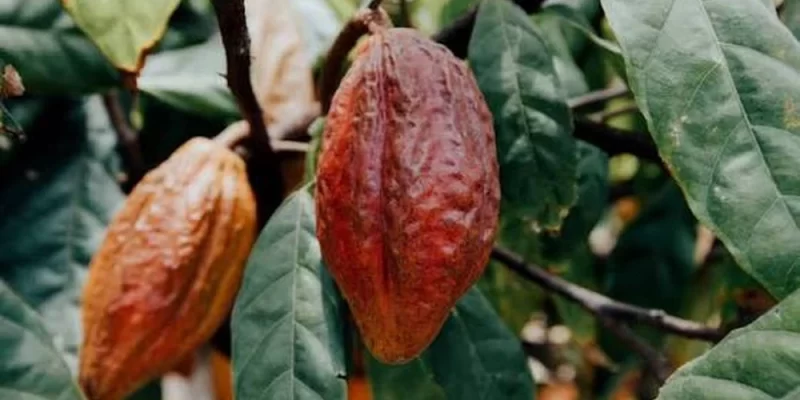
Cacao paste can look simple on a product page: a dark block, a short ingredient list, and a description of where the beans come from. The buying decision takes more thought. Products vary in format, sourcing detail, available testing information, package size, and price. A few practical checks can help a first-time buyer decide whether a particular cacao fits their kitchen and expectations.
Start with the ingredient list
If you want a pure cacao drink, check that the ingredient list names cacao and no sweeteners, milk powders, or flavourings. A sweetened drinking chocolate can be delicious, but it is a different product with different uses. Ingredient information is more reliable than front-of-package language such as “ceremonial,” which may not have one universal definition across sellers.
Cacao paste is made by grinding cacao beans into a product that retains both the cocoa solids and the naturally occurring cacao butter. That fat gives the paste a dense texture and means it needs thorough mixing in a hot drink. Powdered cocoa is processed differently and usually has some of the fat removed. Neither is automatically the right choice for everyone; decide whether you want a whole paste for drinks and cooking or a powder that is easier to measure and bake with.
Look for sourcing detail you can assess
A seller may describe a country, region, variety, farm relationships, or certifications. Specific information gives a buyer something to evaluate. If a company says it works directly with growers or shares profits, look for a plain explanation of what that means. A traceable origin can be useful, but a story alone cannot answer every question about how a product is made.
Testing information is another point to compare. If a brand refers to third-party laboratory analysis, check whether it shares a report and whether the report identifies the product or batch. A review of cacao laboratory summarizes the company’s product information and testing claims, which can help readers know what to look for when comparing cacao options. Read the underlying material where it is available and distinguish reported information from your own assessment.
Match the format to your routine
Blocks may need chopping or grating before they dissolve. Discs or small pieces can make portioning quicker. Consider how often you expect to use cacao, how you will store it, and whether you already own a whisk or milk frother. A premium product that is awkward to prepare may end up unused, even if its sourcing story appeals to you.
Compare the real cost
Price per package is only part of the decision. Compare cost by weight, account for shipping, and check the serving guidance on the label. A large bulk pack may lower the price per gram but is worthwhile only if you like the flavour and can use it while it is in good condition. For a first purchase, a smaller size can make the experiment less expensive.
Finally, prepare the cacao simply the first time. Follow the maker’s directions, taste it before adding sweetener, and adjust the water or other ingredients in later cups. Your own preference matters. A product is a good fit when its ingredient list, preparation, taste, budget, and sourcing information work for you in everyday life.




Comments