
 By
By 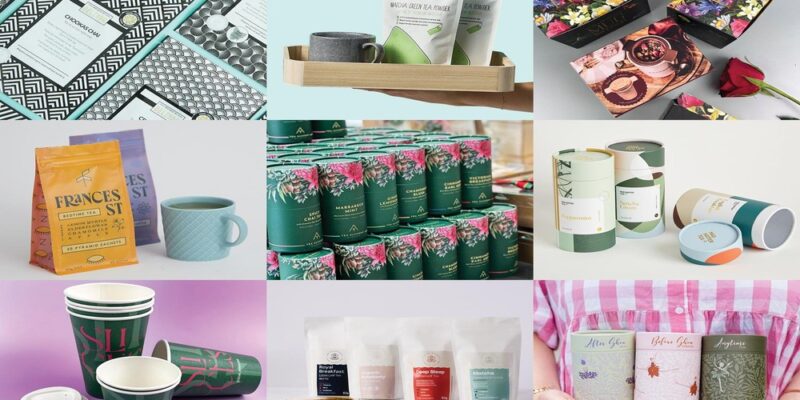
If you are reviewing options for tea packaging australia, you are already thinking about more than just how your product looks. I look at tea packaging through a practical lens. It needs to protect freshness, support your workflow, and help your product stand out in a crowded market.
I base my recommendations on three things: product integrity, flexibility for growth, and ease of execution. You want packaging that works today and still works when your orders increase. This guide will walk you through how to think about tea bag packaging, loose leaf formats, and packaging for tea across different stages of your business.
Why Tea Packaging Matters More Than You Think
Tea is sensitive. It reacts to air, light, and moisture. If packaging fails, the product loses aroma and quality.
I always tell people to start here. Before design, before branding, focus on protection.
Good packaging should:
- Lock in freshness and aroma
- Protect against moisture and oxygen
- Maintain product quality during shipping
- Support shelf life for retail and storage
If you get this wrong, nothing else matters. Even strong branding cannot fix a weak product experience.
Understanding Tea Bag Packaging vs Loose Leaf
You need to match your packaging format to how your tea is used and sold.
Tea bag packaging works best for:
- Single serve convenience
- Subscription boxes
- Retail products with fast turnover
- Sample packs
Loose leaf packaging works best for:
- Premium blends
- Larger quantities
- Gift products
- Specialty tea brands
I usually suggest planning for both early. Even if you start with one format, your product line often expands.
Choosing the Right Packaging Format
There is no single best format. The right choice depends on your product, price point, and how customers interact with your brand.
Here are the most practical options:
Stand Up Pouches
- Ideal for loose leaf tea
- Strong shelf presence
- Available in matte or gloss finishes
- Often include zip closures for resealing
These are one of the most flexible options. They balance cost, function, and presentation.
Flat Pouches
- Best for tea bags or small quantities
- Easy to ship and store
- Clean and simple design
If you sell sampler packs or subscriptions, this format works well.
Cylinders and Tins
- Premium look and feel
- Strong for gifting
- Durable for storage
These formats help position your product at a higher price point.
Box and Mailer Packaging
- Protects products during shipping
- Supports branding during unboxing
- Useful for bundles or sets
If you sell online, this becomes part of your customer experience.
Materials Matter More Than Design
Design gets attention. Materials keep your product intact.
I always recommend reviewing these factors:
- Foil lining for freshness
- Compostable or recyclable options
- Barrier strength against air and moisture
- Durability during transport
Sustainable materials are also becoming standard. Many buyers expect it. If your brand values align with that, your packaging should reflect it.
Scaling Without Friction
One of the biggest mistakes I see is choosing packaging that only works at small scale.
You want flexibility from the start.
Look for:
- Low minimum order quantities
- Fast turnaround times
- Easy reordering systems
- Options to test new products
This allows you to launch, adjust, and grow without delays.
Why The Packaging People Stand Out
If you are comparing suppliers, I would pay close attention to how they support both early stage brands and growing businesses.
The Packaging People offer a strong balance of flexibility and experience. They support a wide range of tea packaging formats, including pouches, sachets, tins, and boxes. This gives you room to expand your product line without switching suppliers.
They also address common problems that tea brands face:
- Finding packaging that works for both loose leaf and tea bags
- Achieving a premium look without large order volumes
- Maintaining freshness over time
- Accessing sustainable material options
Their low minimums make it easier to test new blends or packaging styles. Their stock options allow you to move quickly, while custom packaging gives you full control over branding when you are ready.
Another point that stands out is their guidance. They help with material selection, sizing, and production timelines. That matters if you want to avoid costly mistakes.
Custom Packaging Without Complexity
At some point, you may want custom printed packaging.
I suggest moving to custom once:
- Your product is validated
- You have consistent sales
- You want stronger brand recognition
The Packaging People support custom across bags, pouches, cylinders, boxes, and more. They guide you through artwork, materials, and finishes. This makes the process manageable even if you have never done it before.
You also get the benefit of creating packaging that reflects your brand while still meeting performance needs.
Final Thoughts on Choosing Packaging for Tea
I look at tea packaging as a system, not a single decision.
You need:
- The right format for your product
- Materials that protect quality
- Flexibility to grow
- A supplier that supports your process
If you focus on these areas, your packaging will support your product instead of holding it back.
The goal is simple. Keep your tea fresh, present it well, and make it easy for your business to scale.

Comments