
 By
By 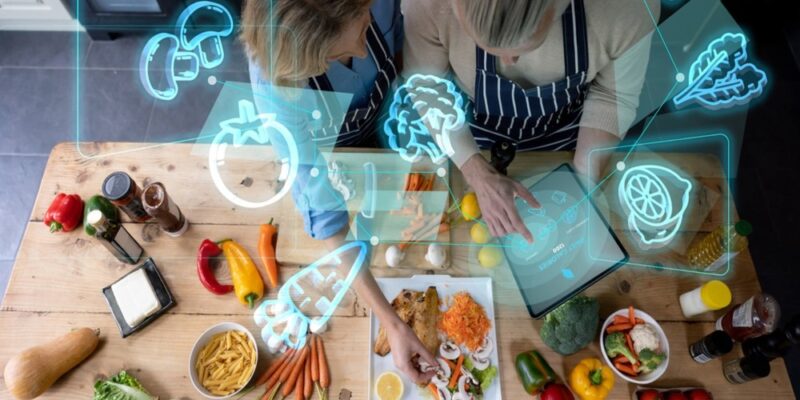
What If the Perfect Meal Was Already Sitting in Your Kitchen?
Imagine standing in front of your refrigerator after a long day, tired, hungry, and completely out of ideas. You open the fridge and see random ingredients staring back at you-some vegetables, leftover chicken, eggs, yogurt, frozen fruit, maybe rice, a few spices, and ingredients you bought with good intentions but never used. You know there is probably enough food to make something good, but the real question feels impossible: what exactly are you supposed to cook?
So instead, like millions of people do, you order takeout, eat something unhealthy, or throw together a meal that feels rushed and unsatisfying.
Now imagine something different.
Instead of searching recipe websites for hours or wasting food because you do not know what to make, you open an app, type in the ingredients you already have, and within seconds artificial intelligence generates personalized meal ideas designed around your preferences, health goals, dietary restrictions, available cooking time, and nutritional needs. Suddenly, random ingredients become complete meals. Forgotten vegetables become dinner. Leftovers become opportunity.
This is one of the most practical ways artificial intelligence is quietly transforming nutrition.
With modern AI tools, people are now able to create personalized meals instantly using food they already own, helping maintain a Healthy diet without overspending, wasting ingredients, or constantly asking, What should I eat tonight?
The idea sounds surprisingly simple, yet it solves one of the biggest daily frustrations people face: decision fatigue around food. Most healthy eating plans fail not because people do not care, but because real life gets in the way. Work becomes exhausting. Schedules become unpredictable. Energy disappears by evening. Suddenly, cooking something balanced feels harder than grabbing convenience food. Even when people want a Healthy diet, consistency becomes difficult because meal planning often feels overwhelming. Artificial intelligence removes much of this friction by simplifying decisions and generating meals based on what is already available.
The process usually starts with a simple input. You tell the system what ingredients are sitting in your kitchen: chicken breast, spinach, eggs, onions, rice, yogurt, tomatoes, canned beans, frozen vegetables, garlic, oats, or whatever happens to be available. From there, AI analyzes possible combinations, cooking time, nutritional balance, dietary goals, and food preferences to generate meal suggestions. Instead of forcing you to buy expensive specialty ingredients, it works backward from reality. That distinction matters because sustainable healthy eating happens when nutrition fits real life-not idealized social media versions of it.
What makes this especially powerful is personalization. Traditional recipe websites assume everyone wants the same thing. You search for “healthy dinner” and receive endless results that may not fit your schedule, calorie goals, allergies, cooking skills, or preferences. AI systems work differently. They ask questions and adapt. Are you trying to lose weight? Increase protein? Improve digestion? Feed children? Save money? Eat plant-based? Follow a heart-supportive Healthy diet? The recommendations change based on your goals.
For example, imagine you enter these ingredients:
Chicken breast, broccoli, brown rice, garlic, olive oil, yogurt, spinach, eggs.
Instead of producing one random suggestion, AI might generate several possibilities:
- High-protein garlic chicken rice bowls for muscle recovery
- Creamy yogurt chicken wraps with spinach for quick lunches
- Stir-fried broccoli and chicken meals optimized for fat loss
- Egg and spinach breakfast bowls for higher morning protein intake
The beauty of the system is flexibility. The same ingredients can become completely different meals depending on goals and preferences. Even simple Quick recipes become smarter because they are designed around context rather than generic assumptions.
This becomes even more valuable when budgets are tight. One hidden problem in nutrition is food waste. People buy groceries with ambitious intentions, forget about ingredients, and end up throwing food away. AI helps reduce waste by identifying overlooked ingredients and suggesting meals before items expire. That half-used bag of spinach, leftover vegetables, extra yogurt, or unused rice suddenly becomes useful instead of forgotten. Maintaining a Healthy diet becomes cheaper because meals are optimized around existing resources rather than endless shopping trips.
Another major advantage is speed. Most people do not have time to cook elaborate dinners every night. They need practical meals that fit busy schedules. AI systems recognize this and often prioritize Quick recipes when time is limited. You can literally request: “Give me a healthy dinner using what I already have in under 15 minutes.” The system responds instantly with structured meal ideas. This removes one of the biggest barriers to healthy eating: lack of time.
For fitness-focused individuals, AI-generated meals become even more precise. Someone focused on muscle growth might request higher-protein meals using available ingredients. Someone focused on fat loss may request calorie-controlled meals with high satiety. Someone managing blood sugar may prioritize balanced carbohydrates and fiber. Even people incorporating food supplements into their wellness routine can receive meal suggestions designed to complement nutritional needs. For example, protein powders, collagen, probiotics, fiber blends, or vitamin support products may be integrated into meal ideas without replacing whole foods. Instead of acting as shortcuts, food supplements become supportive tools within a larger Healthy diet.
One surprising benefit of AI meal generation is creativity. Most people repeat the same meals constantly because thinking of new combinations feels exhausting. Artificial intelligence introduces variety automatically. Ingredients you normally ignore suddenly appear in interesting combinations. Leftovers become reinvented meals instead of boring repetition. Common pantry items become personalized Healthy recipes without requiring culinary expertise.
Imagine opening your refrigerator and finding eggs, tomatoes, onions, oats, frozen berries, yogurt, canned tuna, spinach, and cheese. Normally, this might feel like random food. AI, however, may suggest:
- Spinach and egg breakfast wraps
- High-protein tuna bowls with vegetables
- Berry yogurt oats for breakfast recovery meals
- Tomato spinach skillet meals for dinner
Instead of seeing disconnected ingredients, AI sees meal possibilities.
The experience becomes even more interactive with the help of an ai chatbot. Rather than endlessly searching online, users can ask direct questions in real time:
“What healthy dinner can I make with chicken and vegetables?”
“Give me Quick recipes using leftovers.”
“Suggest Healthy recipes high in protein.”
“What meals can I make using pantry foods only?”
The chatbot instantly responds with tailored options based on goals, available ingredients, and dietary preferences. This real-time interaction makes nutrition feel more practical and accessible.
One of the biggest lessons people discover through AI meal planning is that healthy eating becomes easier when complexity disappears. A Healthy diet is often framed as difficult, expensive, or restrictive, but much of that frustration comes from planning fatigue rather than nutrition itself. Decision-making becomes exhausting. AI removes this burden by simplifying choices.
Beyond personal convenience, this trend is also creating exciting opportunities in digital business. Entrepreneurs exploring Online Business ideas are increasingly building platforms focused on recipe automation, smart grocery management, meal recommendation systems, nutrition personalization, and health optimization. Personalized meal planning powered by artificial intelligence is becoming one of the fastest-growing categories in wellness technology. These systems represent highly scalable small business ideas because they combine automation, personalization, and recurring demand.
Modern AI tools are also making it easier than ever to launch services around nutrition, healthy eating education, recipe generation, and food planning. Instead of building massive software systems, creators can leverage existing technology to create content hubs, subscription platforms, and smart nutrition ecosystems.
Recent developments in AI news suggest this space is only growing faster. Companies are developing kitchen assistants, grocery recommendation systems, predictive nutrition engines, wearable-integrated meal planners, and personalized dietary platforms that continuously learn from user behavior. The future of meal planning may not involve recipe books at all-it may involve intelligent systems that already know what is in your refrigerator and automatically suggest meals before you even ask.
After seeing how quickly AI can transform ordinary ingredients into practical meal ideas, one realization becomes impossible to ignore: healthy eating may not require buying more food-it may require using existing food more intelligently.
Instead of wasting ingredients, repeating meals, or giving up because dinner feels complicated, AI offers something surprisingly valuable: simplicity.
From personalized Healthy recipes to practical Quick recipes, from smarter use of pantry foods to support for food supplements, from guidance through an ai chatbot to innovation highlighted in AI news, artificial intelligence is changing how people approach everyday meals.
At the same time, this transformation is creating entirely new Online Business ideas and scalable AI business ideas for entrepreneurs looking to build solutions around food, nutrition, and personalization.
The next great meal you eat may not come from a cookbook.
It may already be waiting in your kitchen-discovered by AI.

Comments