
 By
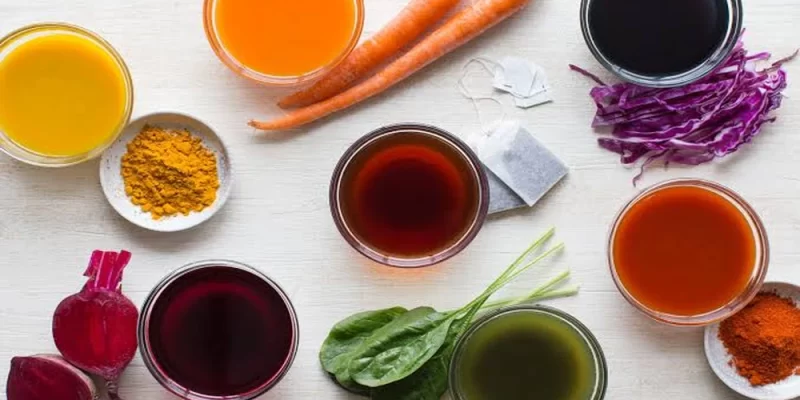
Shoppers read ‘natural’, ‘plant-based’, ‘clean label’ and ‘organic’ as one friendly cluster. Regulators, auditors and your own purchasing team do not. Teams that plan all natural food coloring for a new product often find halfway through that marketing wants one claim, quality can support another, and the supply chain delivers a third.
What ‘Natural’ Actually Covers
In many markets, the word has no strict legal definition when it comes to colors. It usually means the pigment comes from plants, fruits or other natural sources rather than a chemical plant. That flexibility is convenient for brands and confusing for buyers.
Because the definition is loose, retailers and brands often add their own rules. One may ban certain solvents, another a specific processing step, and a third may ask for nothing at all.
Organic Is a Different Animal
Organic is controlled and audited. The raw material has to be grown to organic standards, and every handler along the way holds certification, with records that link a finished lot back to its farm. Certification bodies visit sites and check records, so claims cannot be improvised.
That is why organic food coloring is harder to source than most buyers expect. Fewer pigment sources qualify, volumes are smaller, and prices run higher, so the claim should be a planned decision, not a last-minute label tweak.
Clean Label Is a Marketing Frame
Nobody owns the phrase. It generally points to short ingredient lists with names a shopper recognizes, and each retailer publishes its own list of unwelcome items. Treat it as a style guide, not a legal standard.
Ask the retailer for that list before development starts. Rework after a rejected submission costs more than an hour spent reading the rules at the beginning.
Plant-Based Does Not Mean Organic
A beet extract can be entirely plant-derived and still lack organic certification. The two statements answer different questions, and mixing them up leads to claims that will not survive an audit.
Keep a simple table in the project file: claim, evidence required, document that proves it. It turns vague hopes into a checklist. Review it each time the formula changes.
Questions Worth Asking a Supplier
Ask what solvents, if any, touch the pigment during extraction. Ask which carriers or preservatives are added and whether the source material is non-GMO verified.
Request the certificates themselves, not only a statement that they exist. Check issue dates, scope and the name of the producing site. A certificate with an old date or the wrong site name is a warning.
Carriers and Processing Aids
A plant pigment is often sold with a carrier such as maltodextrin or a stabilizer. These ingredients can change how the product is declared, and some may conflict with a claim you plan to print.
Request the full composition, not only the color source. A short call with the supplier’s technical team usually settles the question in minutes. Small details like these decide whether a claim holds.
Aligning Marketing and Quality
Marketing wants the strongest wording that is true. Quality wants the weakest wording that is safe. Meeting in the middle early prevents arguments the week the artwork is due.
Agree on a single approved phrase for each claim and circulate it. People copy what they see, so give them wording worth copying. Five minutes of agreement now is cheaper than a redesign later.
Keeping the Paper Trail
Claims get challenged by retailers, auditors and sometimes competitors. Store certificates, specifications and supplier letters in one folder, labeled by product and date. Scattered across inboxes, evidence tends to disappear the week you need it.
Review that folder before each launch. An expired certificate found by your own team is an inconvenience, and one found by an auditor is a problem.
What Retail Buyers Tend to Ask
Retail buyers often send questionnaires before a listing: source of the color, solvents used, GMO status and certificates held. Having answers on file turns a two-week back-and-forth into a one-day reply.
Treat the questionnaire as a free preview of your future audits. Whatever you cannot answer now will return later, usually when a launch date is already fixed.
Making the Claim Count
A label is a promise, and each word carries a different level of proof. Deciding which promises you can keep, then choosing ingredients to match, is easier than the reverse. Strong claims start with strong evidence.
For a look at how plant-based colors are described alongside certifications, visit foodrgb.com and use it as a starting point for your own checklist.






Comments