
 By
By 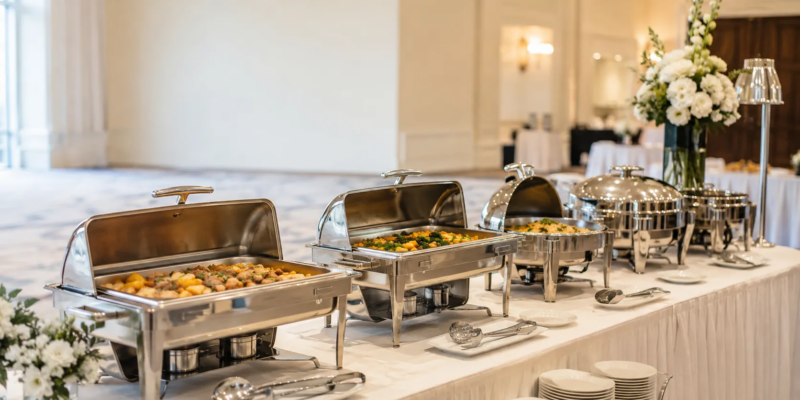
When food is served to a crowd, presentation matters, but temperature matters even more. A polished buffet can quickly lose its appeal when hot dishes become lukewarm before guests reach the table. That is why choosing the right chafing dish deserves more thought than simply selecting a model that looks professional.
For caterers, event planners, restaurant teams, and hosts managing large gatherings, the right catering equipment can make service smoother and reduce last-minute problems. Your choice should suit the menu, guest count, serving space, and length of the event. Whether you are planning a wedding, corporate lunch, hotel breakfast, or family celebration, understanding the main features of a buffet food warmer will help you choose equipment that performs well in real serving conditions.
Start With the Event, Not the Equipment
Before comparing finishes or lid styles, think about how the buffet will actually operate. A formal wedding reception has different needs from a casual birthday party, and a hotel breakfast requires more repeated use than an occasional private event.
Ask a few practical questions first:
- How many guests will be served?
- How long will food remain on the buffet?
- Will guests serve themselves or will staff serve portions?
- Is the event indoors or outdoors?
- How often will food be replenished?
- How much table space is available?
These details shape the right catering buffet setup. The warmer, food pans, serving utensils, heat source, labels, and refill plan should work as one system rather than as separate pieces.
Choose the Right Size and Capacity
Capacity should match both guest numbers and serving speed. Full-size units work well for high-volume foods such as rice, pasta, roasted vegetables, or main courses. Smaller pans are useful when several menu items need to share the same table or when fresh batches will be brought out more frequently.
Using smaller quantities can sometimes improve food quality. Rather than loading one large pan and leaving it out for a long period, staff can replace smaller batches as needed. This can make keeping food warm for events easier while also helping dishes look fresher.
Think about the rush period. If 150 guests are likely to reach the buffet within 30 minutes, the service plan needs enough capacity to prevent constant shortages.
Consider Shape and Buffet Layout
Rectangular warmers are common because they make efficient use of table space and fit many standard food pans. Round or oval models can work well for soups, curries, sauces, or smaller specialty dishes.
Shape also affects guest movement. People should be able to read a label, open a lid, serve themselves, and move forward without blocking the line.
A well-planned catering buffet setup looks organized because the equipment supports the flow of service, not because the table is crowded with decorative pieces.
Why Material and Build Quality Matter
A stainless steel chafing dish is a familiar choice for professional-looking buffets. Stainless steel is easy to wipe down, handles regular use well, and suits everything from wedding receptions to corporate catering.
Still, a shiny surface does not automatically mean strong construction. Check the frame, handles, hinges, lid supports, pan edges, and feet. These smaller details often reveal how well a unit will stand up to repeated transport, setup, cleaning, and storage.
For frequently used catering equipment, stability matters. Once hot water and food are added, a weak or uneven frame can become inconvenient. Smooth surfaces and removable parts can also make cleanup faster.
Compare Lid Styles
The lid affects both presentation and ease of service.
Lift-Off Lids
Traditional removable lids are simple and practical, especially for staffed buffets. The main drawback is that the lid needs somewhere to rest once it is removed. In a busy self-service line, that can create clutter.
Roll-Top Lids
Roll-top designs are popular at weddings, hotels, and formal events because guests can open the lid without taking it off completely. They keep the serving area tidier and can make a buffet food warmer easier to use during self-service.
Because the mechanism has moving parts, quality matters. Loose hinges or weak handles can become annoying quickly when equipment is used every week.
Glass-Top Lids
A viewing window allows guests to see the food before opening the lid. This can reduce unnecessary opening and help diners identify dishes more quickly.
Understand the Heating Method
Many traditional warmers use fuel canisters beneath a water pan. The heated water helps transfer warmth more evenly to the food pan above. Electric models are another option for indoor venues where suitable outlets are available.
Outdoor events need extra attention. Wind can reduce heating efficiency, so sheltered placement or suitable wind protection may be necessary. These details are part of keeping food warm for events consistently rather than simply lighting the heat source and walking away.
Always follow the manufacturer’s instructions for fuel, water level, heating time, and handling. A warmer is intended to maintain food at an appropriate serving temperature; it should not be used as a substitute for properly cooking or reheating food.
Match the Warmer to the Menu
Not every dish behaves the same way on a buffet. Rice can dry out, fried foods may lose crispness, vegetables can continue softening, and sauces may hold their quality much longer.
That means the best party food service equipment depends partly on the menu.
A few simple practices help:
- Use deeper pans for high-volume foods that hold well.
- Serve delicate foods in smaller batches.
- Keep the lids closed when possible.
- Prepare a refill schedule before guests arrive.
- Assign someone to monitor both food appearance and temperature.
The goal is not only heat. Good buffet service should also protect texture, moisture, portion quality, and presentation.
Think About Transport, Storage, and Cleaning
A unit may look excellent on the table but become frustrating if it is heavy, difficult to stack, awkward to assemble, or slow to clean.
For mobile event teams, portability can matter as much as appearance. Check whether frames fold, pans nest, handles feel secure, and parts can be packed efficiently.
If you are comparing designs, looking through a dedicated chafing dish collection can help you see how capacities, frame styles, and lid designs vary for different serving situations.
For caterers who move equipment between venues regularly, these details can save time during both setup and breakdown.
Balance Appearance With Practical Value
Elegant presentation matters at weddings, formal dinners, and business functions, but decorative details should not outweigh durability.
For frequent professional use, strong frames, reliable lids, easy-clean surfaces, and practical storage are usually better investments than elaborate styling. For occasional home or community events, a simpler model may provide enough performance without unnecessary cost.
When evaluating party food service equipment, choose based on the conditions you actually face: guest count, menu, venue, transport, staffing, and frequency of use.
Common Buying Mistakes to Avoid
A few mistakes appear again and again:
- Buying based on looks alone.
- Ignoring buffet-table dimensions.
- Choosing too much or too little capacity.
- Forgetting how lids will work in self-service.
- Overlooking transport and storage.
- Assuming every heating system operates the same way.
- Failing to plan for foods that lose texture quickly.
The best buying decision usually comes from imagining a real event from setup through cleanup. Something that looks ideal in a product photo may not necessarily be the easiest option for a busy serving environment.
FAQs
What size food warmer is best for a catering event?
It depends on guest count, menu variety, and how quickly food will be served. Larger pans work well for high-volume dishes, while smaller pans are useful for variety and frequent replenishment.
Is a stainless steel chafing dish suitable for professional catering?
Yes, it is widely used because it combines a clean appearance with practical maintenance. For frequent service, also check frame strength, handles, hinges, and overall stability.
Can a buffet food warmer cook food?
It is generally designed to maintain serving temperature rather than cook raw food or replace proper reheating equipment. Follow applicable food-safety requirements and the instructions supplied with the unit.
What should I check before buying catering equipment for buffets?
Look at capacity, heat source, stability, lid design, cleaning, storage, transport, and how well the unit fits your usual menu and event size.
Conclusion
Choosing the right chafing dish is ultimately about making buffet service easier. Capacity should match the crowd, the lid should suit the serving style, and the heating method should fit the venue. Material quality, transport, cleaning, and storage also matter when equipment will be used repeatedly.
For anyone responsible for keeping food warm for events, it is useful to think beyond the individual warmer and consider the whole service process. Reliable catering equipment should support guest flow, food quality, staff efficiency, and a clean presentation. When the equipment matches the menu and real event conditions, the buffet is easier to manage from the first setup task to the final refill.



Comments