
 By
By 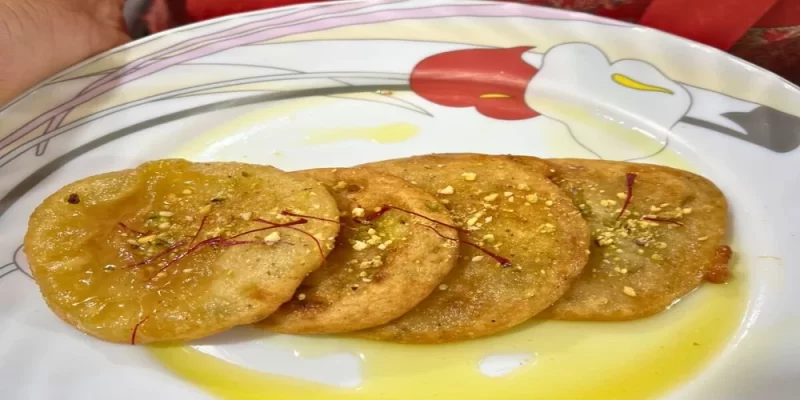
Indian festivals bring families together with colorful celebrations and delicious food. On these occasions, traditional sweets hold a special place. Their flavors make festive meals more memorable. Even a simple malpua recipe can recreate a delicious dessert at home.
Whether you prepare desserts for guests or family members, these traditional sweets add a special touch to festive celebrations. Read on to explore the popular Indian festive sweets and find some delightful options for each occasion.
10 Popular Indian Festive Sweets Prepared Easily at Home
Gujiya
Gujiya is a well-known festive sweet, crisp outside and sweet inside. Various ingredients like khoya, coconut, sugar and chopped nuts are added to the filling. Shape the dough into small crescents before cooking. You can easily follow this simple gujiya recipe, make gujiya at home and eat it at family gatherings and festive occasions.
Malpua
Malpua is a simple, soft and super tasty Indian pancake. Flour, milk and sugar are commonly used to prepare the batter. Cook small portions until golden, then serve with sugar syrup. When served with rabri, malpua becomes a rich festive dessert.
Gulab Jamun
Gulab jamun is prepared from a soft dough and shaped into small balls. The balls are cooked until golden and soaked in warm sugar syrup. For additional flavor, cardamom or rose water is added to the syrup. It also tastes good if served hot or at room temperature.
Besan ka Laddu
Besan ka laddu is made with gram flour, ghee and sugar. Roasting the gram flour for some time enhances the aroma and flavor. For a sweet taste, sugar is added to the mixture. Once cooled slightly, the dough is formed into round laddus.
Falooda
Falooda is a cold dessert drink made with milk and other ingredients such as vermicelli, basil seeds and sweet syrup. It is served with ice cream toppings, nuts and/or chopped fruits. It comes in colorful layers, making it a suitable choice for family gatherings and festive occasions.
Rasmalai
Rasmalai is a soft, spongy dumpling filled with sweetened and flavored milk. Sometimes the milk is flavored with saffron and cardamom. Pistachios or chopped almonds can be included as a topping. This dessert is usually served chilled, making it a refreshing dessert for festive occasions.
Moong Dal ka Halwa
Moong dal ka halwa is a nutritious dessert made using split yellow moong dal. The dal is soaked, ground and then cooked in ghee. Milk, sugar and cardamom are added for a smooth and aromatic halwa. For garnishing, use chopped nuts.
Suji ka Halwa
Suji ka halwa is an easy-to-prepare dessert using semolina, ghee, sugar and water or milk. First, roast the semolina to develop an aromatic flavor before adding any liquid. For sweetness and flavor, add some cardamom and sugar. You can also mix raisins and nuts into the halwa before serving.
Malpua
The best way to enjoy malpua is to add flavors such as cardamom, saffron or fennel to the batter. These additions give the dessert a unique taste. The cooked malpuas can be served with a sugar syrup and garnished with nuts. This makes them ideal for serving on festive dessert plates.
Millet Barfi
Millet barfi adds simple variations on traditional Indian sweets. Millet flour can be cooked with ghee and well combined with milk, sugar or any other suitable ingredients. To add flavor, mix cardamom, while for texture, chopped nuts will be ideal. Once set, cut it into little pieces and serve as a sweet for your festive events.
Conclusion
Festive sweets add warmth and celebration to special occasions. Preparing these sweets at home creates some fun family time. Different recipes give you the chance to explore different flavors and textures. These desserts are ideal during festive celebrations and family gatherings as a gesture of joy.
With the right ingredients and proper planning, traditional sweets can be a significant part of your celebrations and create lifelong memories around the dining table.



Comments