
Drying is one of the oldest and most essential food preservation techniques. From sun-dried fruits to powdered milk, the process not only extends shelf life but also plays a critical role in defining the texture and taste of the final product.
Modern industrial drying machines have revolutionized this process, allowing for precise control over temperature, airflow, and moisture removal, ultimately influencing both the sensory and functional properties of food.
The Relationship Between Drying and Food Texture
Texture is a vital aspect of food quality that affects consumer perception and enjoyment. Drying machines influence texture by determining how moisture is removed from the food. For instance, in tray dryers, food items are spread across multiple layers where hot air circulates around them. This method gradually removes moisture, helping maintain structural integrity, which is particularly important for delicate items like herbs, thin fruit slices, and certain vegetables. However, because tray dryers often operate at lower throughput rates, prolonged exposure to heat can sometimes result in a slightly tougher or denser texture.
Fluidized bed dryers, on the other hand, use a stream of hot air to suspend and gently agitate small particles such as spices or granular foods. This agitation prevents clumping and produces a uniformly dry product with a light, crisp texture. Such machines are especially beneficial for powders and granules where maintaining individual particle integrity is crucial.
Spray dryer is widely used for liquid products like milk, coffee, cocoa, and fruit extracts. In this process, a liquid feed is atomized into fine droplets and exposed to hot air. The rapid moisture removal creates fine, free-flowing powders. Because the drying happens so quickly, spray drying preserves a soft, powdery texture while preventing the formation of large, hard clumps that could compromise texture during storage or usage.
Influence of Drying Machines on Taste
Taste is closely linked to chemical composition, and drying machines can affect it in several ways. High temperatures, prolonged drying times, or uneven airflow can lead to Maillard reactions or caramelization, which may enhance flavor in some cases but also cause undesirable bitterness in sensitive products. For example, improper drying of cocoa powder can result in a burnt taste, while optimally controlled drying enhances its rich chocolate flavor.
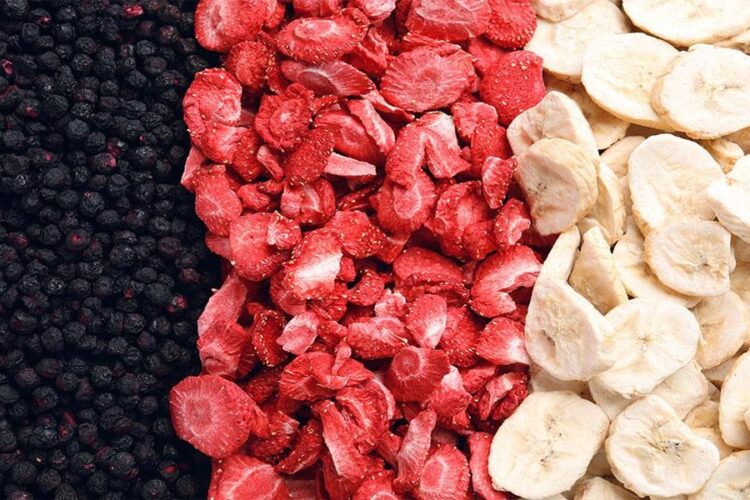
Freeze drying is a technique known for preserving delicate flavors. By freezing the product and removing moisture through sublimation, freeze dryers maintain the original taste and aroma of the food. This method is commonly used for fruits, coffee, and even ready-to-eat meals where flavor preservation is paramount.
Spray dryers, while slightly less effective in retaining volatile flavors than freeze dryers, can still preserve taste effectively when operated under controlled conditions. Modern spray dryers often use lower inlet air temperatures or introduce protective carriers, reducing heat-induced flavor loss.
Achieving Consistency and Consumer Satisfaction
One of the key advantages of industrial drying machines is the ability to produce consistent texture and taste across large batches. Unlike traditional sun drying, which can vary due to weather conditions, modern dryers offer precise control over parameters such as temperature, humidity, and airflow. This control ensures uniform drying, minimizing off-flavors, uneven textures, and microbial risks.
Furthermore, machine drying enables manufacturers to develop novel textures. For instance, puffed snacks, instant coffee, and powdered soups all rely on specialized drying processes to achieve the right mouthfeel, solubility, and flavor release. By adjusting drying speed, temperature, and airflow, food engineers can create products that meet specific consumer expectations for taste and texture.